
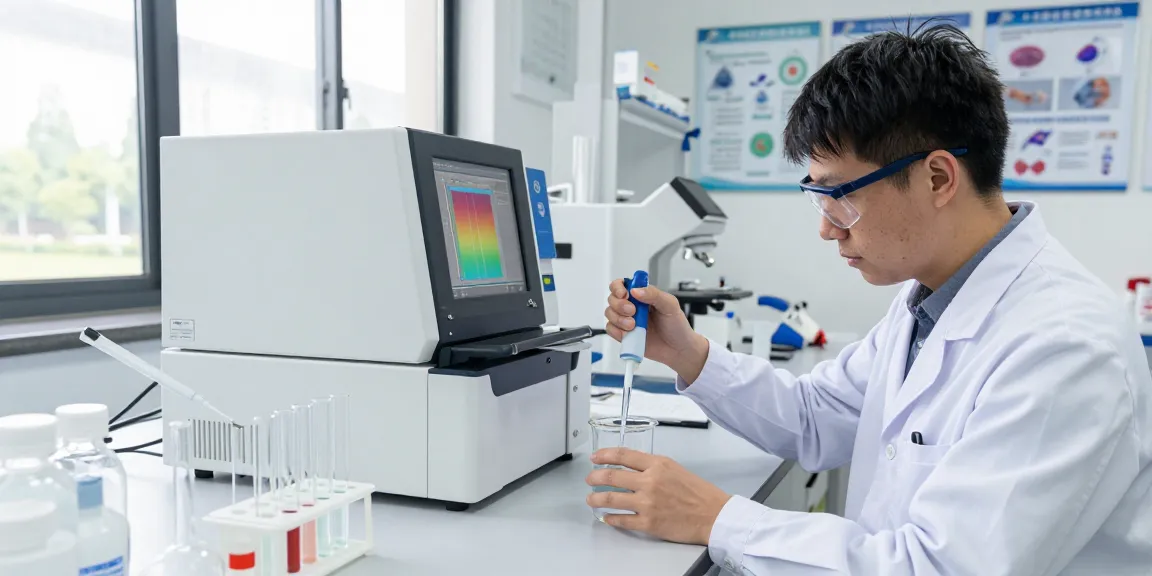
Understanding Research-Grade Peptides
In the realm of biotechnology and pharmaceutical research, research-grade peptides represent a crucial ingredient for various applications, from therapeutics to diagnostic assays. These peptides consist of short chains of amino acids, serving as the building blocks of proteins essential for numerous biological functions. Recognition of their significance has led to a surge in the interest and investment surrounding peptide research, aiming to harness their potential for groundbreaking advancements in medicine and science.
What Are Research-Grade Peptides?
Research-grade peptides are synthetically manufactured and characterized peptides intended for use in research rather than for direct therapeutic applications. Unlike pharmaceutical-grade peptides, which undergo rigorous regulatory scrutiny, research-grade peptides are used primarily in laboratory and preclinical settings. They provide scientists with the ability to explore biochemical pathways, study protein interactions, and develop potential therapeutic strategies.
The Importance of Quality in Peptide Research
Quality is paramount in peptide research. The efficacy of any study or application hinges on the consistency and purity of the peptides utilized. Impurities or variations in synthesis can lead to unreliable results, making it essential for researchers to source high-quality peptides from reputable suppliers. Additionally, the characterization of these peptides through methods such as mass spectrometry and HPLC (High-Performance Liquid Chromatography) ensures their integrity and suitability for research.
Common Applications in Science and Medicine
Research-grade peptides find a myriad of applications across scientific disciplines. In biochemistry, they are instrumental in protein synthesis studies, enzyme activity assays, and the exploration of cellular signaling pathways. In medicine, their use encompasses vaccine development, peptide-based therapeutics for diseases like cancer and diabetes, and the creation of diagnostic tools that can detect specific antigens in patients. As our understanding of peptide biology continues to evolve, so too do the applications, propelling research in exciting new directions.
Challenges in Working with Research-Grade Peptides
Despite their crucial role in research, working with research-grade peptides poses several challenges that can hinder progress in scientific studies. Researchers often encounter issues related to synthesis, stability, and characterization that may complicate their findings.
Common Setbacks Faced by Researchers
Researchers frequently report setbacks that stem from the inherent complexity of peptide synthesis. Variability in yield, purity, and even contamination can delay projects significantly. Furthermore, issues relating to the biological activity and stability of peptides can lead to unexpected results, necessitating retesting and additional experiments, all of which consume valuable time and resources.
Issues Related to Synthesis and Purification
Peptide synthesis often involves various methods such as solid-phase peptide synthesis (SPPS) and liquid-phase peptide synthesis. Each method has its advantages and challenges. Synthesis can result in incomplete sequences or incorrectly linked amino acids, which require purification techniques like reverse-phase chromatography or ion-exchange chromatography to rectify. These processes are time-consuming and can lead to further complications if not managed correctly.
Misconceptions about Peptide Stability
Another significant challenge is the misconception surrounding peptide stability. Many researchers underestimate the factors that contribute to peptide degradation, such as temperature variations, pH levels, and exposure to light. Understanding the conditions under which peptides remain stable is crucial for formulating effective handling and storage protocols to preserve their integrity throughout the research process.
Best Practices for Researchers
To mitigate the challenges associated with research-grade peptides, researchers can adopt a series of best practices that focus on optimizing synthesis, handling, and quality control.
Optimizing Synthesis Methods for Quality
Choosing the right synthesis method is critical. By selecting appropriate coupling reagents and optimizing reaction conditions, researchers can enhance peptide yield and purity. It’s advisable to conduct preliminary experiments to determine the optimal synthesis parameters before scaling up, thus ensuring a more reliable outcome.
Handling and Storage Guidelines
Proper handling and storage of peptides significantly impact their stability and longevity. Storing peptides at low temperatures, away from light, and in appropriate buffer solutions can prevent degradation. Furthermore, minimizing freeze-thaw cycles is essential to maintain the integrity of peptides during use.
Quality Control Measures in Peptide Research
Implementing stringent quality control measures is essential in peptide research. Routine testing via techniques like mass spectrometry, high-performance liquid chromatography, and amino acid analysis can help verify the identity and purity of peptides. Establishing a standardized protocol for quality assessment ensures consistency across studies and enhances reproducibility.
Innovative Solutions to Overcome Setbacks
As challenges continue to arise in peptide research, innovative solutions and collaborative strategies are emerging to enhance the efficiency and effectiveness of research.
Utilizing Advanced Technology for Peptide Analysis
Advancements in analytical technologies have revolutionized peptide research. Techniques such as NMR (Nuclear Magnetic Resonance) spectroscopy and mass spectrometry are increasingly being integrated into the workflow for more precise characterization of peptides. These tools allow for rapid and accurate analysis, ultimately improving the reliability of research findings.
Collaborative Approaches for Problem-Solving
Collaboration among researchers, institutions, and industry professionals is vital for overcoming the challenges in peptide synthesis and application. Sharing knowledge and resources can lead to the development of better protocols and improved techniques, fostering a community that drives innovation in peptide research.
Case Studies of Successful Recoveries
There are numerous case studies highlighting successful problem-solving in peptide research. For instance, a team faced significant synthesis challenges in developing a peptide for cancer therapy. By collaborating with a specialized synthesis facility and utilizing advanced purification techniques, they were able to achieve the desired peptide purity and yield, leading to successful preclinical trials. Such examples underscore the importance of resourcefulness and teamwork in overcoming research hurdles.
The Future of Peptide Research
Looking ahead, the future of peptide research appears promising, with emerging trends and technological advancements poised to reshape the field in the coming years.
Emerging Trends in Peptide Applications for 2026
As we approach 2026, several trends are expected to dominate peptide research. The integration of AI and machine learning in peptide design and synthesis will likely streamline processes, allowing for faster and more efficient discovery of peptide-based solutions. Additionally, the exploration of peptides as biopharmaceuticals will garner greater attention, particularly in personalized medicine, where tailored peptide therapies can address specific patient needs.
Predictions for Advancements in Research Techniques
Future advancements in research techniques are anticipated to focus on enhancing the precision of peptide synthesis and characterization. Innovations in automated synthesis platforms and real-time analytics promise to increase the throughput of peptide production while maintaining high quality.
Ethical Considerations in Biotechnology Research
As peptide research continues to advance, ethical considerations will become increasingly prominent. Researchers must navigate questions of safety and efficacy, especially in the context of biopharmaceuticals. Emphasizing ethical practices and compliance with regulatory frameworks will be essential to ensure the responsible development and application of peptide technologies.
What are research-grade peptides used for?
Research-grade peptides are utilized in a variety of applications, including basic research, therapeutic developments, and diagnostic tool creation. They serve as invaluable resources for studying biological mechanisms and testing new drug candidates.
How can researchers overcome common peptide challenges?
Researchers can overcome common peptide challenges by adhering to best practices in synthesis, implementing rigorous quality control measures, and utilizing advanced analytical technologies to ensure the reliability of their results.
What technologies are improving peptide synthesis?
Emerging technologies such as high-throughput screening, automated synthesizers, and advanced chromatographic techniques are revolutionizing peptide synthesis, making the process faster and more efficient.
How to ensure quality control in peptide research?
Quality control in peptide research can be ensured through rigorous testing methods, including mass spectrometry and HPLC, alongside standard operating procedures that provide consistency and reliability in results.
What future trends can we expect in peptide research?
Future trends in peptide research will likely include increased use of AI in peptide design, advancements in personalized medicine, and a focus on ethical considerations in biotechnology research, shaping the landscape of therapeutic development.