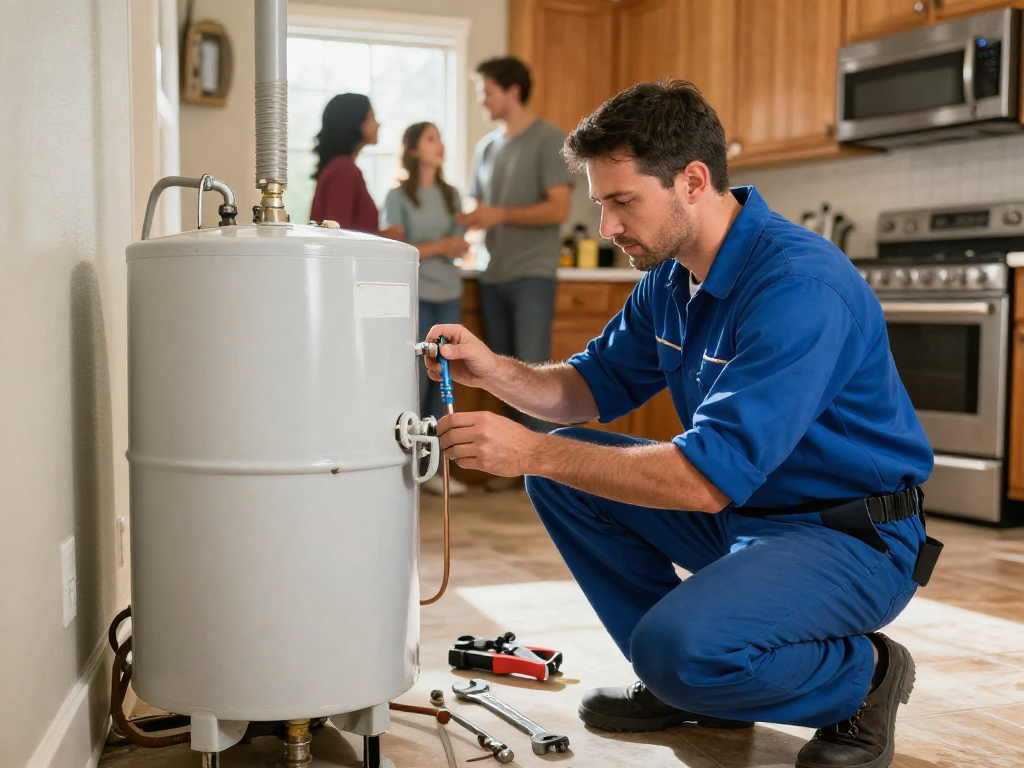
Understanding Water Heater Replacement Options
Water heaters are essential appliances in our homes, providing the comfort and convenience of hot water for various daily tasks. As a homeowner in Fort Worth, it's crucial to understand your options when it comes to water heater replacement, especially given the diverse climatic conditions and varying local regulations that may affect your choice. From traditional tank systems to advanced tankless models, knowing what fits your needs can save you money and improve your home's efficiency. By considering important factors such as household size, energy costs, and installation specifics, you can make informed decisions. For insights into water heater replacement Fort Worth, this guide will cover everything you need to know.
What to Consider Before Choosing a Replacement
Before you decide on a water heater replacement, consider several factors that influence your selection:
- Energy Efficiency: Look for models with high energy efficiency ratings, as they can significantly reduce your utility bills.
- Size and Capacity: Choose a system that can meet your household's hot water demands without excessive energy waste.
- Fuel Type: Common options include electric, gas, and solar-powered water heaters. Each type has its benefits and limitations based on local availability and your home’s infrastructure.
- Cost of Ownership: Evaluate not just the purchase price, but also the long-term costs associated with energy consumption and maintenance.
Key Differences Between Tank and Tankless Systems
Understanding the primary distinctions between tank and tankless water heaters is fundamental when considering a replacement. Tank water heaters store a large quantity of hot water, which can be quickly accessed but may run out during high-demand periods. Conversely, tankless models heat water on demand, providing an endless supply of hot water without the bulk of a storage tank. While tankless units typically cost more upfront, they are known for their energy efficiency and require less space.
Cost Implications of Water Heater Replacement Fort Worth
The cost of replacing a water heater can vary widely based on several factors, including the type of unit, installation complexity, and any necessary permit fees. Tank water heaters are usually less expensive than tankless models. However, keep in mind the long-term savings from lower energy bills that might make investing in a tankless model worthwhile. Additionally, consider hiring a licensed plumber to ensure compliance with local installation codes, which may incur additional costs.
Signs Your Water Heater Needs Replacement
Recognizing the warning signs that your water heater may need replacement is crucial to preventing potential emergencies and ensuring a consistent supply of hot water. Here are some common indicators:
Common Indicators of Water Heater Failure
Some frequent signs that your water heater is failing include:
- Inconsistent Water Temperature: Fluctuations between hot and cold water can indicate heating element failure.
- Unusual Noises: Clanking or rumbling sounds may signal sediment buildup or other internal issues.
- Rusty Water: Discolored water can be a sign that your tank is corroding and needs replacement.
- Leaks or Puddles: Water pooling around the heater is a clear indication of a leaking tank.
How Often Should You Replace Your Water Heater?
On average, conventional tank water heaters last around 10 to 15 years, while tankless models can offer service for up to 20 years with proper maintenance. Regular inspections can help extend the life of your unit and address issues before they necessitate a full replacement. If your water heater is approaching the end of its expected lifespan and showing signs of trouble, it may be time to start considering a new model.
Ignoring Warning Signs: What Could Go Wrong?
Delay in addressing water heater issues can lead to severe consequences, such as water damage, increased energy costs, and the potential for complete failure. A sudden breakdown may leave you without hot water when you need it most, urging you to seek emergency plumbing services, which can be costly. Regular maintenance can mitigate many risks associated with neglecting these signs.
The Process of Water Heater Replacement
Replacing a water heater involves several steps, and understanding this process can help you prepare adequately for the switch.
Step-by-Step Guide to Replacing Your Water Heater
The replacement process typically involves the following steps:
- Assessment: Evaluate the current system and identify any specific needs for a new unit.
- Selection: Choose the best replacement model considering size, type, and energy efficiency.
- Preparation: Gather necessary tools and materials and ensure the area is safe for installation.
- Removal: Disconnect and remove the old water heater following safety protocols.
- Installation: Install the new water heater, ensuring proper connections to power and plumbing systems.
- Testing: Check for leaks and proper functionality before fully utilizing the new unit.
Permitting and Code Compliance in Fort Worth
Fort Worth has specific regulations governing water heater installations to ensure safety and compliance with building codes. It’s vital to obtain the correct permits before proceeding with installation. Engaging a licensed plumber familiar with local laws will help ensure that your replacement meets all necessary standards, avoiding costly fines or issues related to improper installation.
What to Expect During Installation
During installation, you can expect the plumber to meticulously follow all safety protocols and guidelines for connecting your new unit. Proper alignment, secure fittings, and thorough testing are essential aspects of a professional installation. The time involved can vary; however, most installations are completed within a few hours.
Choosing the Right Water Heater for Your Home
Once you have determined that a replacement is necessary, selecting the right water heater tailored to your specific needs becomes paramount.
Comparing Energy Efficiency of Different Models
Energy efficiency is a significant consideration for homeowners. Models are often rated by their Energy Factor (EF), which indicates their efficiency—the higher the number, the more efficient the unit. Tankless water heaters generally have better energy efficiency ratings compared to traditional tank models, as they only heat water as needed.
Assessing Your Household's Hot Water Needs
Understanding your household's hot water needs is essential to choosing the right size water heater. Consider the following:
- Number of People: More occupants typically require a larger capacity.
- Peak Usage Times: When you require hot water the most can influence your choice significantly.
- Appliance Count: Consider the number of showers, washing machines, and dishwashers that require hot water simultaneously.
Expert Recommendations for 2026
As technology advancements continue, on-demand and hybrid water heaters are becoming increasingly popular in Fort Worth. Consult with local experts to understand the latest models and features that can enhance your home’s efficiency and comfort.
Emergency Plumbing Services in Fort Worth
When plumbing emergencies arise, knowing how to react can save you stress and potentially costly damage. Here’s how to handle a plumbing emergency effectively:
How to Handle a Plumbing Emergency
In the event of a plumbing emergency, follow these steps:
- Shut Off the Water Supply: Locate and turn off the nearest water valve or the main supply line to prevent further flooding.
- Evacuate if Necessary: If there is standing water near electrical outlets or appliances, ensure everyone is safe and evacuate the area.
- Contact Professionals: Call a qualified emergency plumber immediately to evaluate the situation and provide necessary repairs.
Why You Shouldn't Delay Water Heater Replacement
Delaying a water heater replacement can lead to increased energy costs, reduced functionality, and potential water damage. If your water heater is showing signs of failure, addressing the issue promptly can prevent more significant problems and expenses. Regular maintenance and swift replacements can offer peace of mind and protect your home.
Contact Information for Immediate Assistance
If you find yourself in need of immediate plumbing or water heater services, reach out to Direct Water Heater Repair & Plumbing Fort Worth. Our team is dedicated to providing fast, reliable service to ensure your home runs smoothly. Call us today for prompt assistance!
What are the signs that my water heater needs replacement?
Common indicators include fluctuating water temperatures, leaks, unusual noises, and rusty water. If you observe any of these signs, it may be time to schedule a replacement.
How does tankless water heater technology work?
Tankless systems heat water as it flows through the unit, providing an endless supply without the need for storage. This results in consistent hot water availability and enhanced energy efficiency.
What should I expect during a water heater installation?
During installation, expect a professional assessment of your needs, removal of the old unit, and careful installation of the new model, including testing for functionality and leaks.
Are there financing options available for water heater replacement?
Many plumbing services offer financing solutions to ease the cost burden of water heater replacement, allowing homeowners to manage expenses effectively.
What are the benefits of upgrading to a more efficient model?
Upgrading to a new, more efficient model can lower energy bills, improve performance, and provide more reliable hot water access. Additionally, newer models often come with advanced technology that enhances safety and convenience.